.png)


I unpack why today’s market environment reflects a structural transition rather than a financial collapse. When narratives are loud and optimism runs high, the real risk for investors isn’t volatility it’s concentration and mispricing. Drawing on Carney’s insights, she explains why disciplined investors focus on creating optionality: taking profits where valuations are stretched and reallocating toward long-term fundamentals. Areas such as critical minerals, supported by durable demand and policy-aligned structures like flow-through shares, offer a compelling way to build resilience, enhance after-tax returns, and participate thoughtfully in the next phase of the market cycle.
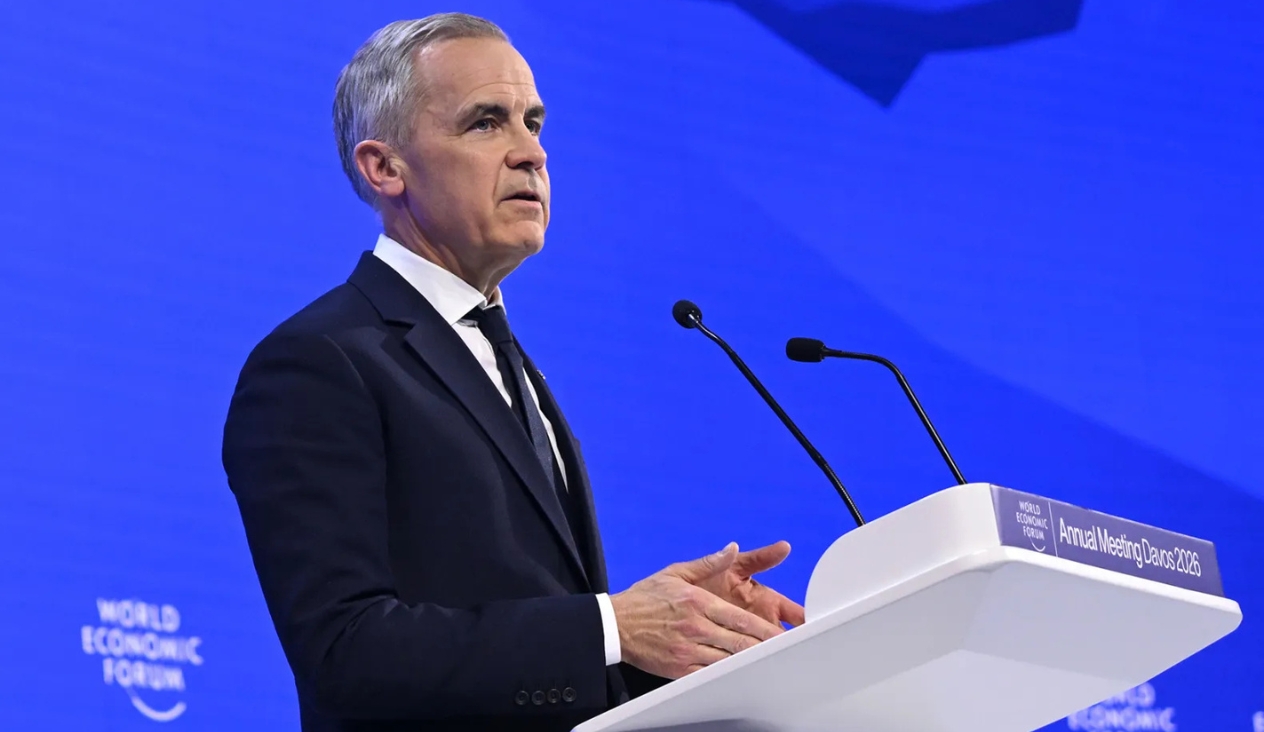
If you haven't watched it yet, you should. Regardless of your political preference there's some important pieces for us to look forward to. There’s no shortage of bold headlines right now. From AI euphoria to recession fears, from geopolitical tension to record-high valuations, it can feel like markets are standing on fragile ground.
That’s why moments like the recent speech by Mark Carney at Davos matter.
Rather than feeding fear or hype, Carney framed today’s environment for what it truly is: a structural transition. Not a collapse. Not the end of the financial system. A shift in how capital moves, prices risk, and rewards long-term fundamentals.
In the video below, our CEO shares her reflections on Carney’s message and what it means for investors navigating today’s markets.
A central theme of Carney’s speech was that volatility is not the real danger.
In periods like this, markets don’t fail; capital reallocates.
When optimism is loud and narratives dominate headlines, the real risks tend to be:
This is exactly when disciplined investing matters most.
Not by trying to perfectly time the top but by staying flexible, intentional, and aligned with long-term demand.
As our CEO explains in her reaction:
“We’re living through a period of structural transition, not financial collapse. In moments like this, markets don’t break capital reallocates. When optimism is high and narratives are loud, the real risk isn’t volatility, it’s concentration and mispricing.”
This is where experienced investors shift their mindset.
Instead of asking “When should I get out?”, the better question becomes:
That approach creates optionality the ability to adapt as the cycle evolves, rather than being trapped by yesterday’s winners.
One area that reflects this kind of durable demand is critical minerals.
These aren’t speculative trends. They are foundational inputs for:
Demand here is structural, not cyclical.
And when these opportunities are paired with policy-aligned investment structures, such as flow-through shares, they can offer something increasingly rare:
“When paired with policy-aligned structures such as flow-through shares, they offer investors a way to build resilience, improve after-tax returns, and participate thoughtfully in the next phase of the cycle.”
The message from Davos and from our CEO’s reflection is not about predicting the next headline.
It’s about positioning.
Periods of transition reward investors who:
That’s the difference between reacting to markets and navigating them with intention.
For those who want to hear Mark Carney’s perspective directly, you can watch his full Davos speech here:
If you’re curious how these ideas apply to your own portfolio, tax strategy, or long-term plan, this is exactly the kind of conversation we have with clients every day. Click here to book a call with us
Because markets don’t break but investors who lack strategy sometimes do.
This content is for informational and educational purposes only and does not constitute investment advice. Market commentary reflects views on economic and financial trends and is not a recommendation to buy or sell any security.


%20(2).svg)
.jpg)

.jpg)